



What Happens If You Don't Vaccinate Your Pet? The Risks You Need to Know
Based on an article that first appeared at
Crown UrgentVet
Let's be honest; no one likes getting shots. But vaccinations – for both people and pets – are more than just a checklist item during your annual physical and are essential for both protecting us and our pets from preventable diseases and setting a better standard of personal and public health.
Recently, there has been a shift in public sentiment regarding vaccines for both people and pets. This phenomenon, known as "vaccine hesitancy," is causing some pet owners to delay or skip vaccines altogether, even though they're readily available at most veterinary clinics and strongly recommended. In fact, a recent Boston University study found that nearly 40% of respondents who harbor mistrust in adult and childhood vaccines also believed dog vaccines are unsafe. An additional 20% thought they didn't work, and almost 30% of respondents considered them unnecessary.
But do these pet owners know what actually happens if you skip vaccines for your pet? Let's break it down.
Are Cat Vaccinations Really Necessary?
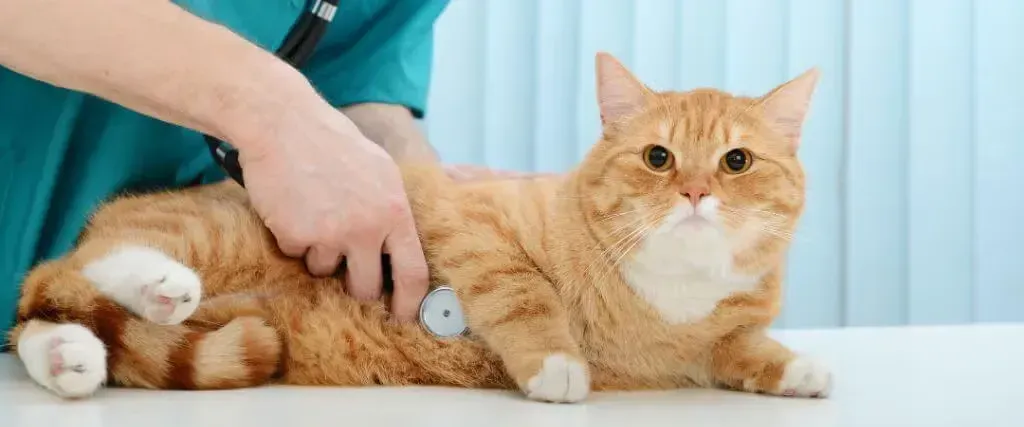
This is the question pet owners ask most when it comes to vaccinations, and our answer will always be “Yes!” Vaccinations are crucial for a cat’s overall health because they protect them from serious and potentially fatal diseases and can work within a cat’s body to strengthen their immune system.
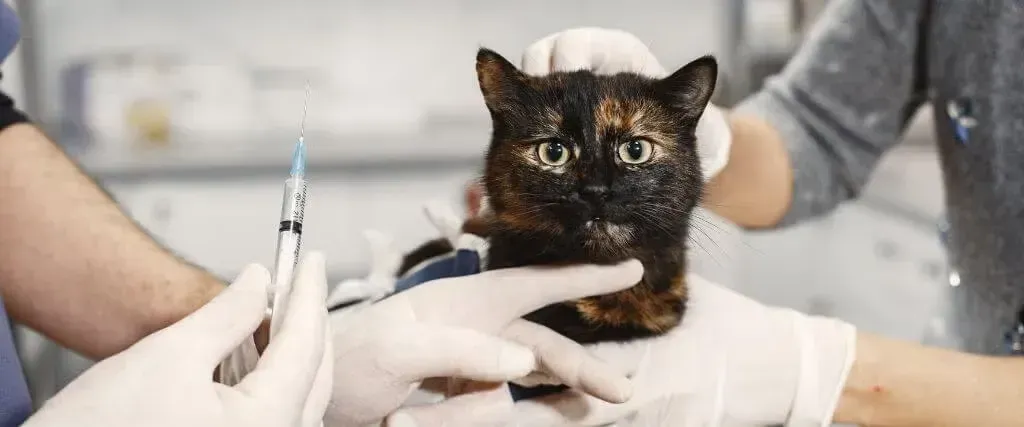
Cornell University’s Feline Health Center defines vaccinations for cats as “preparations that resemble infectious agents like bacteria or viruses but are not pathogenic (disease causing).” After being administered, vaccines essentially “train” a cat's immune system to recognize infectious agents, so when one enters a cat’s body, the cat’s immune system responds by producing antibodies or activating cells to kill the agent.
All of the diseases that we are currently able to vaccinate cats against are preventable diseases, and vaccines are considered highly effective in protecting cats against them.
However, when discussing how vaccines work, it is important to note that no vaccine is 100% effective. There are a number of external factors that can impact the degree of effectiveness in individual cats. Age, the condition of a cat’s immune system, medication use, stress, and unsanitary living conditions can all affect how a cat’s body and immune system respond to the infectious agents being introduced. Some cats may even have genetic differences that affect how their immune systems respond to vaccines, altering their efficacy in that specific cat.
Every cat is different, so it’s important to work closely with a veterinarian to make sure your cat’s vaccination plan is completely tailored to them and their specific needs.
Why Vaccinating Your Dog or Cat Matters
Veterinarians don't harp on the importance of vaccines for dogs and cats for their own sake, or so they can add another line item to your vet bill; we recommend vaccinations for dogs and cats because they are scientifically proven to work and help pets have longer and healthier lives. Vaccines have been extensively studied, regulated, and refined to provide strong, long-lasting protection against some of the most serious diseases pets can face. But so many pet owners are still asking, "Do I really need to vaccinate my pet?"
Here's the bottom line: Not vaccinating your dog or cat leaves them vulnerable to dangerous and potentially fatal diseases that are completely preventable.
If you look online for reasons not to vaccinate your pet, you're bound to find dozens of blogs and forum posts giving you reasons why it's okay to skip your pet's next round of vaccinations. However, these recommendations do not come from veterinarians or public health experts. These posts or suggestions often rely on outdated information, anecdotal stories, or outright misinformation – a dangerous combination when most pet owners are well-meaning and just want to know what's best for their dog or cat.
We recommend vaccines not to scare you or upsell you but because we know firsthand what can happen when pets aren't protected. Expensive trips to the emergency vet, rapidly declining quality of life, and even unexpected euthanasia are all real risks that pet owners can face when they choose to go against the recommendations of the veterinary community and skip out on vaccinations.
But What About Vaccine Reactions?
Some owners are hesitant to fully vaccinate their pets because of vaccine reactions and other adverse side effects that can be caused by the use of the live virus vaccines that are used by veterinarians today. While it is true that negative reactions to vaccines in pets can absolutely occur, they are not as prevalent as some uninformed literature online would make you think.
For example, mild side effects like mild fatigue, soreness at the injection site, or a slight fever are fairly common reactions in both cats and dogs and will typically resolve on their own within a day or two. More serious reactions, like allergic responses or facial swelling, are much rarer, occurring in a very small percentage of vaccinated pets.
Some claims have been made that regularly vaccinating your dog or cat can increase their risk of developing cancer or contracting heritable illnesses, but there is currently no credible scientific evidence that confirms that vaccines can have negative effects to this degree. For cats, owners may have been warned about vaccine-associated sarcoma, a rare type of cancer that has been linked to injectable vaccines. But this type of cancer is a rare reaction, and once the link between this malignant tumor and vaccinations using adjuvants was established, veterinarians shifted to using non-adjuvanted vaccine formulations, showing how committed the veterinary community is to listening to scientific evidence and making the vaccination as safe as possible.
Additionally, veterinarians are well-equipped to handle any adverse reactions to vaccines. If your pet has a known sensitivity, your vet can tailor the vaccination schedule, monitor them more closely after administration, or even provide pre-medication to reduce the risk of a reaction. In most cases, the health risks of skipping vaccines far outweigh the small chance of a serious reaction.
What Happens If You Don't Vaccinate Your Dog?
When you don't vaccinate your dog, you're leaving them at risk of contracting diseases like:
Parvovirus
Canine parvovirus, also known as parvo, is a highly contagious virus that is unfortunately fatal for many dogs. The illness primarily affects the gastrointestinal tract and immune system of dogs, causing severe vomiting, bloody diarrhea, and dehydration.
Puppies are especially at risk and can die quickly without treatment, making vaccination a key component in preventing puppies from contracting the illness. Studies have shown that parvo virus primarily affects unvaccinated, insufficiently vaccinated, or improperly vaccinated dogs, and can result in a fatality rate greater than 90% when left untreated. While parvo treatments for dogs have proven to be successful in many cases, they are often very expensive, costing owners thousands of dollars on average.
Distemper
Canine distemper is another serious — and contagious — disease that affects a dog's respiratory, gastrointestinal, and nervous systems, often leading to seizures, paralysis, and, in many cases, death.
All dogs are at risk of contracting distemper, as it is easily spread through airborne contaminants, but young puppies and unvaccinated dogs carry an increased risk of contracting the virus. Distemper is most commonly spread in spaces where numerous dogs gather, like dog parks, doggie daycares, pet stores, grooming salons, or kennels, so leaving your dog unvaccinated against distemper may mean you have to skip out on play dates at the park or using a professional groomer to reduce their risk of contracting distemper.
Leptospirosis
Leptospirosis was recommended as a core vaccine for dogs by numerous veterinary organizations in 2024, and for good reason.
Leptospirosis, or lepto for short, is a bacterial infection that spreads through urine — often from infected wildlife — and can cause kidney or liver failure, among other health complications. This disease is considered zoonotic, meaning it can not only be passed from dog to dog but also from dog to human, making prompt treatment and, in some cases, isolation essential to ensure it does not spread and infect more animals or people.
Rabies
Rabies is a dangerous disease that no pet owner should ever have to deal with. The disease is caused by a virus that attacks a dog's nervous system, leading to severe symptoms like behavior changes, difficulty swallowing, paralysis, and eventually death. Once symptoms appear, rabies is almost always fatal, both in animals and humans.
Rabies primarily spreads through saliva from infected animals. Transmission of rabies most commonly occurs when an infected animal, like a raccoon, fox, bat, or skunk, bites another animal or person, so if your unvaccinated dog spends a lot of their time outside or is routinely curious about critters in your yard, their chances of contracting rabies increase considerably.
Because rabies is such a threat to human and animal health in all areas of the United States, veterinarians are obligated to follow strict public health guidelines when dealing with cases of potential rabies exposure in dogs. Physical examinations of your dog, as well as a rabies risk assessment, will be performed in order to determine the next steps. Unfortunately, unvaccinated dogs will always be considered high risk for rabies, and if the animal that bit them is unable to be captured and officially tested for rabies, then exposure is automatically presumed.
Following this, unvaccinated dogs that may have been exposed to rabies must either:
- Be quarantined for four to six months in an approved facility at the owner's expense or
- Be humanely euthanized to prevent any risk of spreading rabies if the dog becomes infected.
Some areas may permit a post-exposure rabies vaccine within a very short window (typically within 96 hours), followed by strict quarantine. However, this depends entirely on local public health rules, and your veterinarian will need to abide by any recommendations made by local public health officials or representatives from animal control.
What Happens If You Don't Vaccinate Your Cat?
There's a common misconception among pet owners that because cats are often kept indoors, they don't need regular vet checkups or vaccinations, but that couldn't be further from the truth. Just because your cat spends most of – or even all of – its time inside, that doesn't mean they have no risk of contracting a disease. In some cases, all it takes for a cat to contract a serious illness is contaminants brought in by a visitor, an open window, or even another pet brought over for a play date.
When you don't vaccinate your cat according to current veterinary vaccination guidelines, you're leaving your cat vulnerable to diseases like:
Feline Panleukopenia (FPV)
Also known as feline distemper, feline panleukopenia is a highly contagious virus that causes fever, vomiting, diarrhea, and often sudden death in cats. Though the condition primarily affects kittens, any cat can contract FPV due to the prevalence of the virus in the environment, and most will be exposed to the virus at some point in their life. However, the difference maker for many cats is their age and vaccination status. Young kittens and unvaccinated cats are the two most likely groups to fall ill from exposure to the feline panleukopenia virus.
Feline Herpesvirus and Calicivirus
These two viruses are the most common causes of upper respiratory infections in cats. They spread easily through sneezing, shared food bowls, and even on your clothing or hands, and will cause symptoms including runny eyes, sneezing, mouth ulcers, congestion, and a reduced appetite.
In some cases, FHV and FCV infections can become chronic, causing your cat to struggle with ongoing flare-ups or breathing issues for the rest of their life. Kittens, older cats, and those with weakened immune systems are especially at risk and are the groups that benefit most from regular vaccinations. While these viruses are rarely fatal, they can significantly affect your cat's quality of life and can easily be spread to other cats in your household or neighborhood due to the virus's contagious nature. The safest way to protect your cat, especially if they ever come into contact with other felines or visit places like groomers or boarding facilities, is to keep them up to date on their vaccinations.
Rabies
Like in dogs, rabies is a major concern for cats – even if they spend most of their time indoors. Similarly to dogs, if an unvaccinated cat is bitten by a wild animal or exposed to rabies, they will either need to undergo lengthy quarantine to rule out the possibility of infection or be humanely euthanized to reduce the risk of transmission to another human or animal.
Vaccinating your cat and keeping up with regular rabies vaccinations is the best way to prevent contracting rabies and keep your cat healthy and safe.
The Consequences of Not Vaccinating Your Pet
The risks of not vaccinating your pet don't just stop at undesirable health consequences, either. There are often a number of legal consequences that can be associated with skipping out on mandatory vaccinations for your dog or cat. Rabies is one of the most commonly mandated vaccinations for pets due to its serious threat to human and animal health. Failing to vaccinate your pet in accordance with local or federal mandates can result in fines or other legal penalties.
In the event of dog bites, state laws may also treat your pet differently depending on their vaccination status, as we covered in our discussion on rabies. For example, in some states like Arizona, unvaccinated pets that bite a person must be quarantined for at least 10 days in a county facility or at a veterinary hospital at the owner's expense. Due to these laws, unvaccinated pets will face stricter isolation conditions and cannot simply be observed at home, whereas vaccinated pets may be treated more leniently.
Every state is different and may have different laws regarding vaccinations, so be sure to check the legal requirements in your area to ensure you and your pet are abiding by the law and doing your part to keep your community safe and protected.
Ultimately, the benefits of vaccinating your pet outweigh the risks of negative reactions to a vaccine or its administration. If you have concerns about how vaccines may affect your pet, don't turn to the internet for advice; talk to your vet first. They'll be able to create a vaccination plan tailored to your specific pet's needs and take note of any deviations from standard vaccination protocol that may benefit your dog or cat.
If you have questions and you'd like to reach out to us, you can call us directly at
(973) 425-5146, or you can email us at
vchardyston@gmail.com. Don't forget to follow us on social media
Facebook,
Instagram.
Our Team
SERVICES
How Are We Doing?
Recent Posts