Why Does My Cat Do That? Common Cat Behavior Problems and How Your Veterinarian Can Help

May 21, 2026

Based on an article that first appeared at

All Paws Animal Clinic

Cats are often thought of as low-maintenance pets when compared to dogs, making them a great choice for all types of families. Cats are generally viewed as independent creatures, and the fact that they don’t require daily walks, can use a litter box, and are generally comfortable spending time alone only sweetens the deal for many pet owners.


However, when owners gush about their cats, they might not share the details of what can be considered one of the most frustrating aspects of owning any pet: behavior problems. While cats may be low-maintenance in some aspects, they certainly aren’t exempt from their share of feline behavior problems, ranging from destructive behaviors like scratching and biting to concerning and frustrating issues such as fear-driven aggression, inappropriate elimination, and overgrooming.


In this blog, we’ll explain a few of the most common behavior problems that cat owners encounter and share how your veterinarian can be a valuable ally in addressing these issues.

Is It Possible To Fix Behavior Issues In A Cat?

Yes, it is completely possible to fix behavior issues in a cat, but it will take some time and effort on your part as an owner.


Working under the guidance of a veterinarian or experienced feline behaviorist can provide the best chances for “fixing” behavior problems in cats, or at the very least, better managing them so that the cat and their owner can live improved lives. While there is no universally definite success rate for treating cat behavior problems, veterinarians and behaviorists alike report that owners can see substantial improvement or resolution of their cat’s problematic behavior if professional recommendations are followed correctly and consistently.


There are a number of techniques that can be employed to identify feline behavior problems, determine their root, and eliminate or better manage them. These commonly include environmental enrichment, positive reinforcement, and behavior modification techniques. However, regardless of the technique used to address a cat’s behavior, experts all agree that punishment should never be used. This can cause the cat to form negative associations with their owner and leave their bad behavior unaddressed, or even worsened.

Preventing the Development of Feline Behavior Problems


One of the best things you can do for your relationship with your cat is working to prevent behavior problems in the first place. Ensuring your cat’s needs are met and allowing them to engage in “normal” cat behavior is thought to be one of the most effective deterrents to the development of feline behavior problems. While every cat is different, veterinary research has found that a cat’s major behavioral needs include:


  • Eating and hunting
  • Drinking
  • Elimination of both urine and feces
  • Security
  • Play and exploration
  • Climbing, perching, and scratching


When all of a cat’s physical and mental needs are met and they are living in a safe and clean environment, the development of behavioral problems is less likely.


Signs of Cat Behavioral Problems


Cats experiencing behavioral problems may exhibit some common signs that pet owners can pick up on:


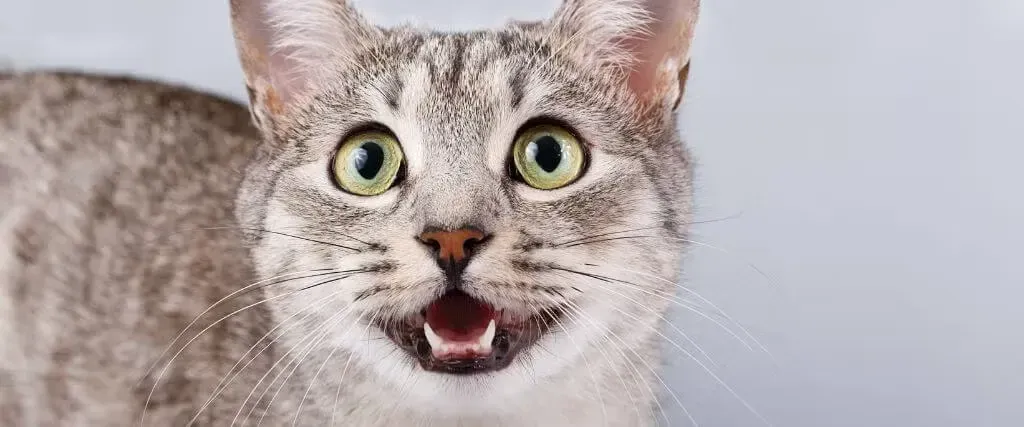
  • Excessive vocalizations: Frequent meowing, different sounds, or excessive howling, which can indicate stress or a need for attention.
  • Litter box issues: Avoiding the litter box and eliminating elsewhere in the house.
  • Scratching: Damaging furniture, curtains, or carpets due to a lack of enrichment.
  • Aggression: Hissing, growling, swatting, biting, or attacking other animals or people.
  • Changes in appetite or thirst: Increased or decreased food and water consumption.


Common Cat Behavior Issues


Aggression


Aggression in cats is categorized as hostile or violent behavior intended to dominate or intimidate another animal or a person. While aggression is a fairly common issue in cats, its causes have the potential to be complex, making some cases of aggressive behavior difficult to resolve or rectify.


Cat behavior problems associated with aggression commonly include:


  • Play aggression:  Common in kittens and young cats, this occurs when play behavior becomes too rough, including biting, scratching, and pouncing.
  • Fear aggression: A defensive response when a cat feels threatened or cornered.
  • Territorial aggression: Occurs when a cat perceives a person, animal, or object as an intruder in their territory and acts to defend it.
  • Redirected aggression:  Aggression directed at a person or animal because the cat cannot reach the actual source of its frustration.
  • Petting-induced aggression:  A cat initially enjoys petting but suddenly bites or scratches.
  • Status-related aggression: Occurs when a cat tries to assert dominance over people or other pets.
  • Maternal aggression: Mother cats may become aggressive when protecting their kittens. This type of aggression typically subsides as the kittens grow and develop independence.
  • Pain-induced aggression:  Aggression due to pain or discomfort, often when touched in a sensitive area, often caused by an injury or medical condition.
  • Inter-cat aggression:  Aggression between cats in the same household. This is more commonly exhibited in male cats, and can often be helped by neutering the cats.
  • Idiopathic aggression: Aggression with no identifiable cause. Intervention from a trained veterinary behaviorist is the best course of action in these cases.


Elimination


Some of the most common – and frustrating – feline behavior problems that owners struggle with are related to elimination. Elimination in cats refers to their urination and defecation, and elimination issues in catscan range from refusing to use the litterbox to spraying urine on varying surfaces around the house. The most common elimination issues cat owners encounter include:


  • Litterbox aversion:  This occurs when a cat refuses to use the litter box and eliminates elsewhere.
  • Inappropriate Elimination:  Also known as house soiling, inappropriate elimination is the urination or defecation outside the litter box without an apparent medical cause.
  • Spraying: A type of urine marking that is defined by a cat standing with a quivering tail and spraying urine on vertical surfaces, often due to territorial behaviors or stress.
  • Defecation Outside the Litter Box: Occurs when a cat urinates in the box but defecates elsewhere. This can be due to pain or discomfort, litterbox aversion, or even anxiety.
  • Substrate and Location Preferences: Occurs when the cat prefers a specific surface (e.g., soft fabric) or location for elimination. This behavior may stem from negative experiences with litterbox, lack of litterbox cleanliness, or lack of litterbox options.

Fear


While fear is generally considered a normal emotional response in cats that typically helps them avoid danger from situations or predators, there are certain cases when excessive fear can cause behavior problems as well as distress and other negative outcomes. Gradual desensitization and counter-conditioning can help cats overcome fears or anxieties by slowly exposing them to triggers in a controlled, positive way.


Feline Compulsive Disorders


In some cases, cats may exhibit abnormal behaviors that aren’t necessarily frustrating for pet owners, but can be detrimental to the cat’s overall health – in these cases, compulsive disorders are often to blame. Feline Compulsive Disorders (FCD) are repetitive, exaggerated behaviors that seem to have no clear purpose. These behaviors can interfere with a cat's daily life and may stem from stress, frustration, or underlying medical issues. Cats suffering from FCDs may experience:


  • Overgrooming: Excessive licking or grooming leading to hair loss, redness, or sores.
  • Object sucking or fabric chewing: Chewing, sucking, or eating non-food items like wool, cotton, or plastic.Some breeds, like Siamese and Burmese cats, may be more prone to certain compulsions like wool-sucking, so it’s important to work with your vet to properly diagnose this behavior.
  • Pacing or circling:  Repetitive walking along the same path or circling.
  • Tail Chasing and Self-Mutilation: Chasing, biting, or attacking their own tail.


How a Veterinarian Can Help Solve Your Cat’s Behavioral Problems


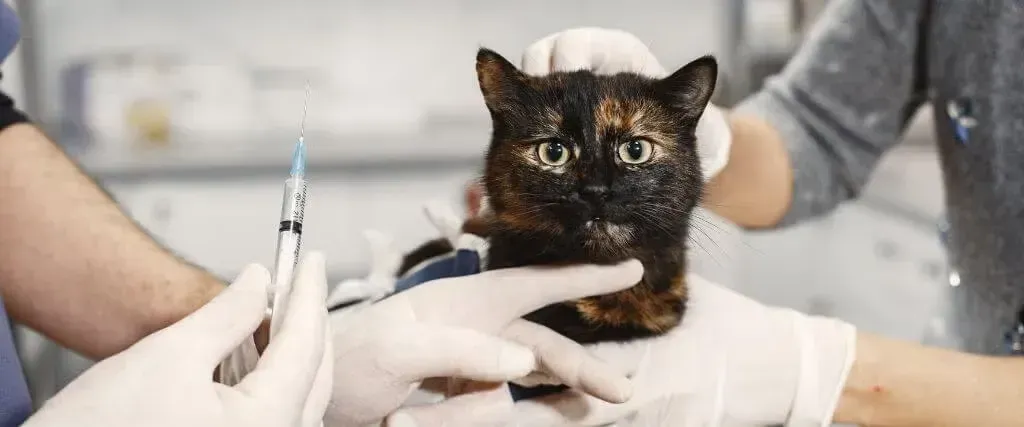
The first step in getting professional help for any behavioral issues or concerns you may have with your cat is getting in touch with your veterinarian. If you notice any sudden or significant changes in your cat's behavior, like increased aggression, excessive meowing, litter box issues, excessive grooming, lethargy, or changes in eating habits or activity levels it’s likely time to get your cat into the vet’s office for an evaluation to see what’s going on. Involving your vet early on in the process once behavior issues are recognized can help better determine the behavior’s root cause, as well as rule out any medical problems that may be to blame like arthritis, thyroid problems, urinary tract infections, cognitive dysfunction or anxiety related to stress or fear.


Early detection and diagnosis are crucial because cats are often adept at hiding signs of illness, and addressing behavioral issues early can prevent them from worsening and allow for more effective treatment strategies, potentially improving the cat's quality of life.


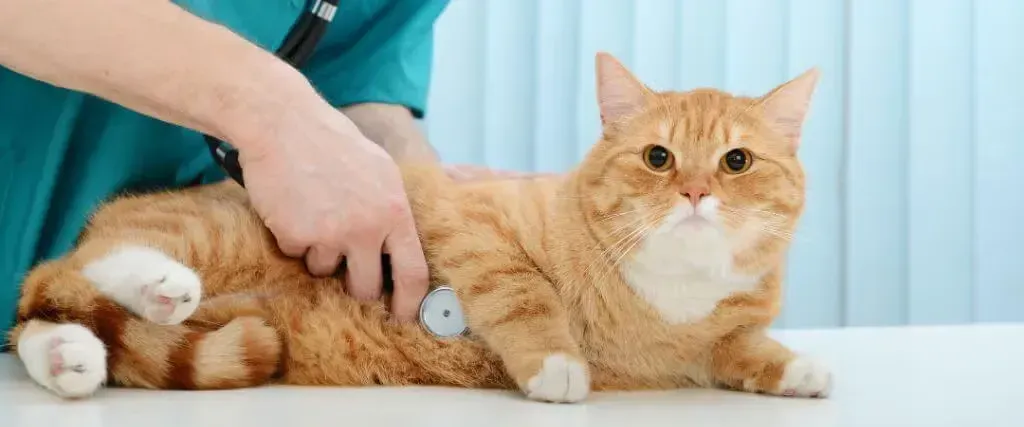
A veterinarian will try to diagnose behavior problems through a thorough physical exam, a detailed history of the behavior, and may recommend further tests like bloodwork or urinalysis to rule out medical causes. However, once diagnosed owners will need to be ready to do their part in executing their veterinarian’s recommendations for behavior management or treatment. Because, while many cat behavioral problems are correctable, the time, resources, and dedication needed to help cats successfully overcome behavior problems are often considerable. Owners need to be fully prepared for this reality in order to produce the best possible outcomes for their cat.


If you have questions and you'd like to reach out to us, you can call us directly at (973) 425-5146, or you can email us at vchardyston@gmail.com. Don't forget to follow us on social media Facebook, Instagram.


Don't forget to follow us on social media Facebook, Instagram.

Recent Posts

Cream-colored puppy with orange bandana being examined by a gloved hand
June 2, 2026
Let's be honest; no one likes getting shots. But vaccinations – for both people and pets – are more than just a checklist item during your annual physical...
Golden retriever swimming through shallow water, carrying a branch in its mouth
May 31, 2026
Learn about leptospirosis in dogs, its risks, symptoms, & prevention. Ensure your pet's health with our expert care!
Veterinarian holding a calico cat during a vaccination, with a syringe nearby
May 30, 2026
Vaccinations are an essential part of veterinary medicine that keep our cats and dogs protected against potentially fatal but preventable diseases. However,...
Close-up of a gray tabby cat with wide green eyes and an open mouth, looking surprised.
May 29, 2026
If you asked any owner what kind of life they want for their cat, their answer would probably have to do with their cat having a long and healthy life. After...
Golden dog with mouth open, lying in tall green grass and looking toward the camera
May 28, 2026
Learn why dogs eat grass & what it means for their health. Contact us for expert veterinary care today!
Veterinarian holding a puppy and kitten in a clinic, both facing forward
May 26, 2026
Annual pet blood tests detect silent health issues in dogs & cats. Ensure your pet's health with preventive care. Schedule an appointment today!
Black-and-white dog licking its nose against a bright yellow background
May 25, 2026
Understand why dogs lick, from affection to grooming. Contact us for expert veterinary care and advice on your pet's health.
Cats are true masters of disguise, fitting into the smallest spaces, concealing themselves in hard-t
May 24, 2026
Cats are true masters of disguise, fitting into the smallest spaces, concealing themselves in hard-to-find places, and even hiding their pain from their...
Brown tabby cat with green eyes standing indoors, looking at the camera
May 22, 2026
Learn the benefits of spaying & neutering your cat. Ensure a healthier, happier pet. Contact us for more information!
A brown-and-white dog sitting on grass in a sunny park, with trees in the background.
May 21, 2026
Understand osteosarcoma in dogs, its signs & treatment. Ensure your pet's health with timely care. Contact us for more information!
Show More